Project Guide
Window Replacement Cost Guide 2026
Updated January 2026
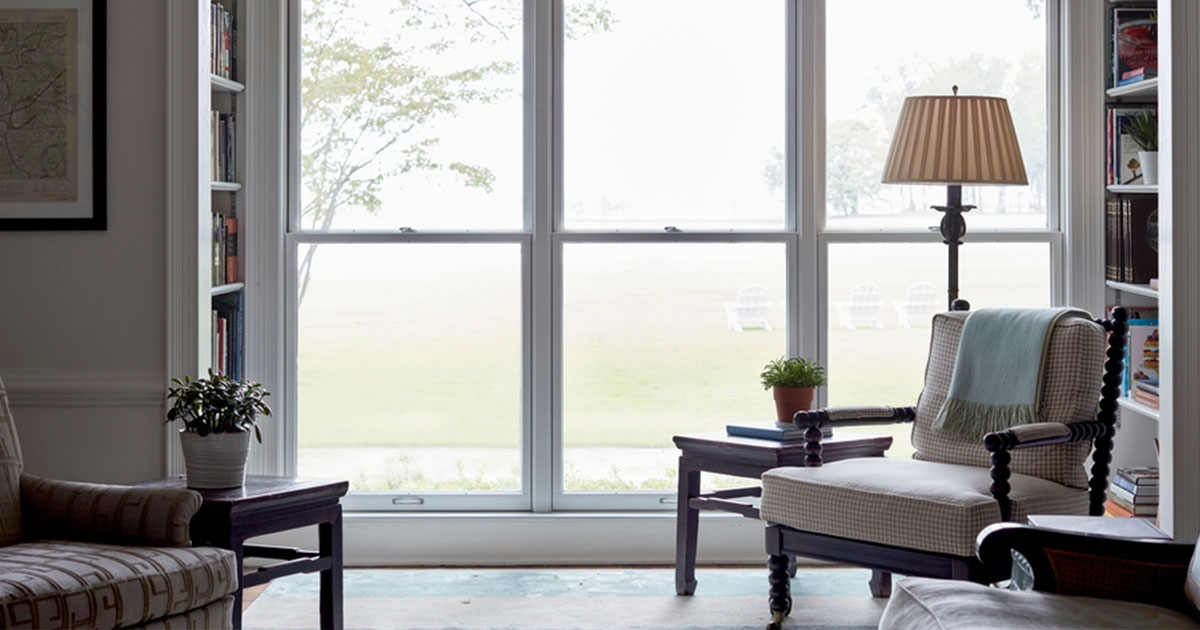
Window replacement is one of the most heavily marketed home improvement projects in the country, which means it's also one where the pitch is furthest from reality. The "save 30% on your energy bill" claims are usually based on replacing single-pane windows from the 1970s. If you already have double-pane windows from the 2000s, the savings from replacement are often marginal.
That said, windows that are fogging between panes (seal failure), rattling in frames, difficult to open, or showing wood rot around the frame are telling you something real. Replacing them makes sense on comfort and structural grounds even if the energy math doesn't pencil out cleanly.
A 10-window replacement with mid-grade vinyl windows runs $12,000 to $20,000 installed nationally. Price per window varies from $300 to $1,200 depending on size, type, and frame condition.
Insert vs. full-frame replacement
Most residential replacements are insert (pocket) replacements: the new window slides into the existing frame without removing exterior trim or siding. Faster, cheaper, and the right choice when existing frames are in good shape.
Materials comparison
| Material | Cost premium | Maintenance | Best for |
|---|---|---|---|
| Vinyl | Baseline | None | Most homes, best value |
| Fiberglass | +20–40% | Occasional paint | Extreme climate swings |
| Aluminum-clad wood | +40–80% | Low (exterior clad) | Higher-end homes |
| Wood | +60–120% | High, needs periodic painting | Historic homes, premium builds |
Vinyl doesn't rot, doesn't need painting, and performs well thermally. The main downside is aesthetics in higher-end homes where aluminum-clad wood or fiberglass looks more appropriate. Fiberglass is worth the premium in climates with extreme temperature swings where vinyl expansion causes issues over time.
Climate and glass selection
In hot climates (Arizona, Texas, Florida), the bigger issue is solar heat gain, not insulation. Low-e coatings with a low solar heat gain coefficient (SHGC) make a real difference in cooling costs. Look for SHGC values under 0.25 in southern markets.
In cold climates (Midwest, Northeast, mountain states), the priority is U-factor (insulation value). Triple-pane glass costs more and doesn't always make financial sense in moderate climates, but it's genuinely worth considering in Minnesota or Vermont.
Energy tax credits
Evaluating bids
The window replacement industry has a higher concentration of high-pressure sales tactics than most trades. Be skeptical of "today only" discounts or bids good for only 24 hours. A reputable contractor doesn't need to pressure you.
Ask for the window manufacturer and specific product line before agreeing to anything. Known manufacturers (Andersen, Pella, Marvin, Simonton, Milgard) are worth looking up independently. Get at least three quotes. Window replacement has enormous price variance. Two contractors quoting the same window from the same manufacturer can be $2,000 to $5,000 apart on a 10-window job.
Ready to compare prices?
See what window replacement costs in your ZIP code, adjusted for local labor rates.
Get my local estimate