Project Guide
HVAC Replacement Cost Guide 2026
Updated January 2026
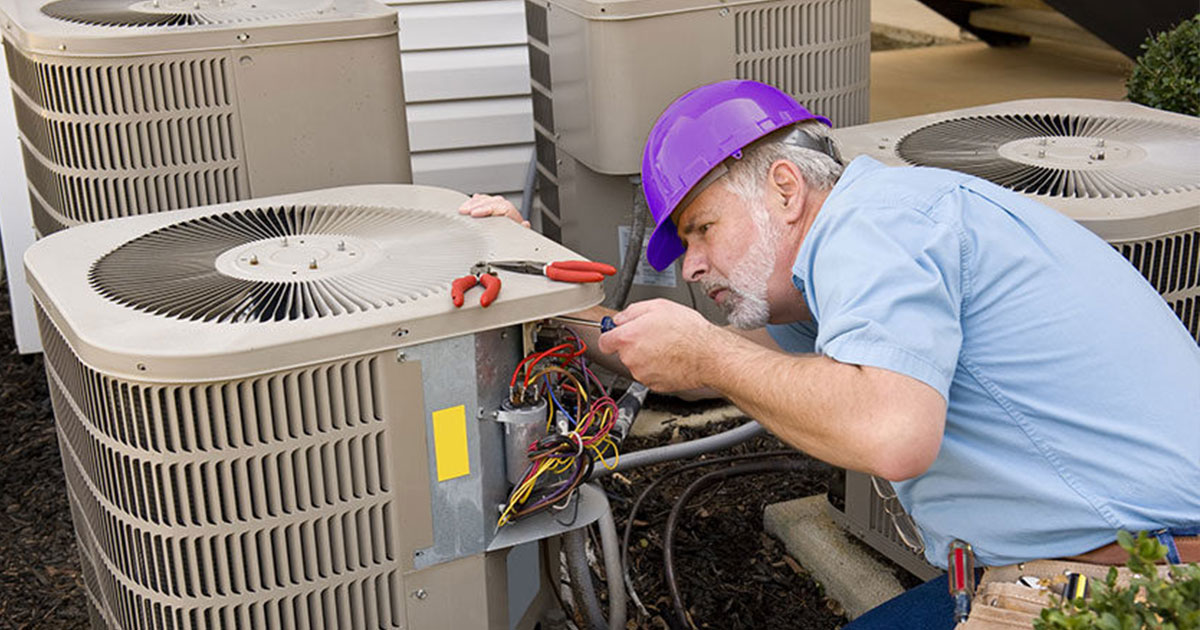
Most HVAC replacements happen under pressure. The system dies in August, you have a heat wave coming, and suddenly you're making a $10,000 decision in 48 hours without any frame of reference. That's not an ideal buying situation, and contractors know it.
A full central air system replacement (furnace plus AC) runs $8,000 to $13,000 for a mid-efficiency system on a typical 2,000 sq ft home. High-efficiency equipment and larger homes push into $15,000 to $22,000. Labor takes one to two days and requires specialized refrigerant handling certification.
What you're actually buying
In most US climates, central HVAC means a split system: an indoor air handler or furnace paired with an outdoor condenser. They should usually be replaced together. Replacing just the outdoor unit while keeping a 15-year-old air handler creates a mismatched system that underperforms and may void the new equipment warranty.
| Spec | What it means | What to look for |
|---|---|---|
| Tonnage | Cooling capacity (1 ton = 12,000 BTU/hr) | Based on Manual J. Bigger is not better. |
| SEER2 | Cooling efficiency rating | 16+ SEER2 is good; diminishing returns above 20 |
| AFUE | Furnace heating efficiency | 80% standard; 95%+ high-efficiency |
The heat pump question
Heat pumps handle both heating and cooling from a single unit, run on electricity, and can be 200 to 400% efficient. They make the most financial sense in mild-winter climates (Pacific Northwest, much of the South, mid-Atlantic). Cold-climate heat pumps rated for operation down to -13°F have made them viable in the Midwest and Northeast too, but the economics depend on your local gas vs. electricity price ratio.
Why quotes vary so much
HVAC quotes vary more than almost any other trade. Equipment brand and tier account for some of it. But a bigger factor is margin: HVAC contractors have wide latitude on what they charge for the same equipment.
Flat-rate pricing (fixed price per system type without disclosing equipment cost separately) makes comparison difficult. Ask for the make, model number, and tonnage of the equipment being proposed. A contractor who won't provide this is a yellow flag.
Ductwork
If existing ductwork has major leaks or is significantly undersized for the new system, that's additional cost. A duct leakage test can quantify this before you commit. Sealing leaky ducts can improve system efficiency by 20 to 30% in homes with older ductwork. Often more cost-effective than buying higher-efficiency equipment.
Timing and emergencies
If your system is 12 to 15 years old and starting to show issues, plan ahead. Get quotes in the off-season (spring for AC, fall for heating) when contractors are competing for work. Emergency replacements in peak season typically cost more, not because of gouging, but because contractors have less scheduling flexibility.
Ready to compare prices?
See what HVAC replacement costs in your ZIP code, adjusted for local labor rates.
Get my local estimate