Project Guide
Siding Replacement Cost Guide 2026
Updated January 2026
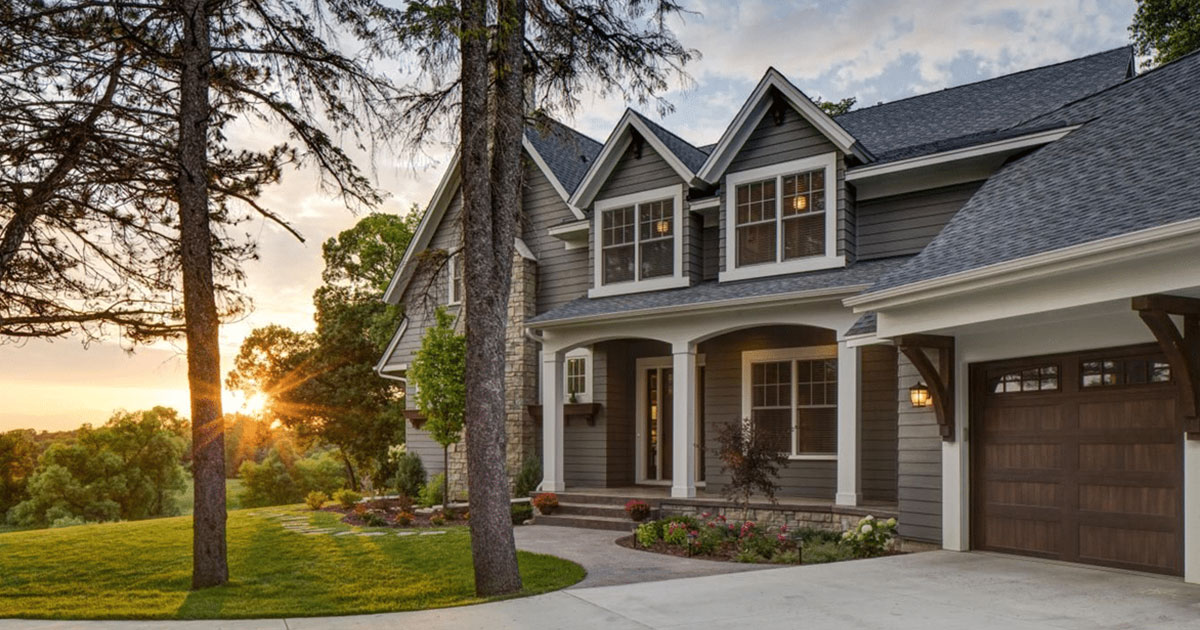
Siding replacement is one of the higher-ROI exterior projects, and the material choice dramatically changes both the upfront cost and the long-term maintenance picture. The difference between vinyl and fiber cement isn't just price. It's 10 to 15 years of future maintenance decisions.
A full siding replacement on a typical 2,000 sq ft two-story home runs $12,000 to $22,000 for vinyl, $18,000 to $35,000 for fiber cement, and $25,000 to $50,000+ for engineered wood or natural cedar. Labor and disposal are consistent across materials; the cost difference is almost entirely in material cost and installation complexity.
Materials comparison
| Material | Installed cost (2,000 sq ft home) | Lifespan | Maintenance |
|---|---|---|---|
| Vinyl | $12,000 – $22,000 | 20–30 years | None, just wash occasionally |
| Fiber cement (HardiePlank) | $18,000 – $35,000 | 30–50 years | Paint every 10–15 years |
| Engineered wood (LP SmartSide) | $20,000 – $38,000 | 25–30 years | Paint every 8–12 years |
| Natural cedar | $25,000 – $50,000+ | 20–40 years | High, stain every 3–5 years |
| Brick veneer | $35,000 – $60,000+ | 50+ years | Very low |
Fiber cement (primarily HardiePlank) has taken significant market share because it doesn't rot, doesn't expand and contract as dramatically as wood, and can be factory-painted for lower long-term maintenance. It costs more upfront but the 10-year cost of ownership is often competitive with vinyl when you factor in repainting schedules.
What drives the cost
Stories matter. A two-story home requires scaffolding or lifts that a single-story doesn't, adding $1,000 to $3,000 in equipment costs. Architectural complexity (gable ends, dormers, bay windows) adds labor hours.
Removal and disposal of existing siding is typically included in the quote but confirm it. Homes with multiple layers of old siding (common in homes with multiple owners) add removal time and disposal cost.
Repair vs. replace
Spot repairs make sense for isolated damage (one section hit by a branch, a small area of rot near a window). They stop making sense when damage is widespread, when the existing siding is at end of life, or when you're trying to match discontinued material that doesn't exist anymore.
If more than 20% of the siding surface needs attention, replacement almost always pencils out better than patchwork repairs that still leave you with an aging product elsewhere on the house.
What gets found underneath
Housewrap and sheathing condition is the main variable. In homes where the old siding was installed directly over board sheathing without modern moisture barriers, adding proper housewrap is worth doing while everything is open. It adds cost but meaningfully improves the thermal envelope and moisture management of the wall system.
ROI at resale
Fiber cement siding replacement returns roughly 76 to 88% nationally. Vinyl is lower (around 67%). The gap reflects both material longevity and how buyers perceive the two products. In higher-end markets, fiber cement or engineered wood is expected; vinyl can actually hurt perceived value on a premium home.
Ready to compare prices?
See what siding replacement costs in your ZIP code, adjusted for local labor rates.
Get my local estimate