Garage Door Replacement Cost in 2026: Size, Material, ROI

- Jul 11, 2026
- 10 min read
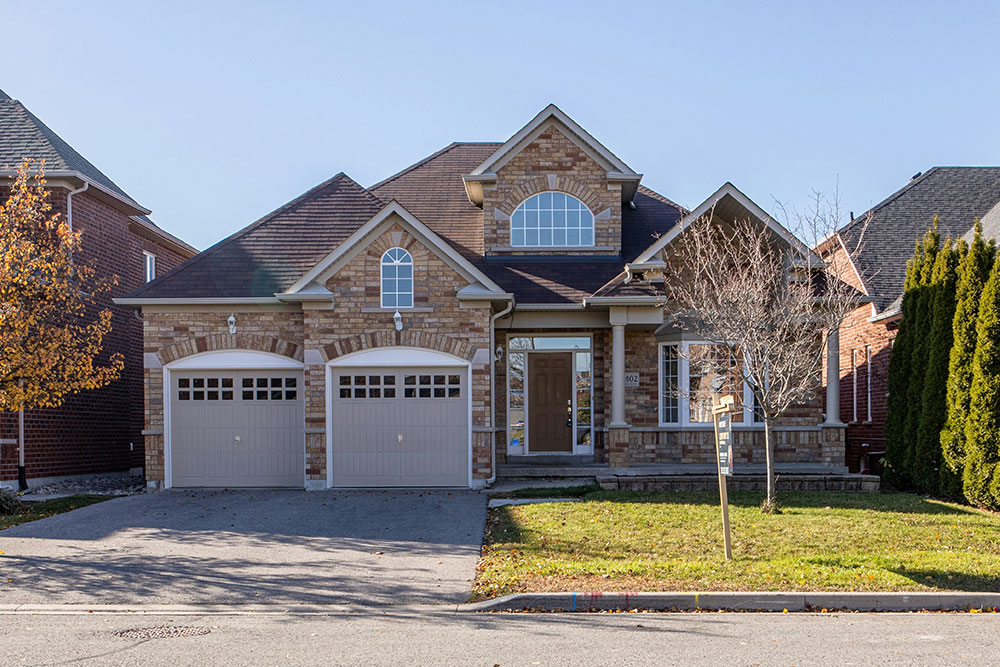
Garage door replacement cost runs $700 to $4,500 installed in 2026, and that’s a wider range than most projects on this site because “garage door replacement” quietly covers two different jobs. A basic steel single-car door is one of the cheapest exterior upgrades you can make. A custom double-wide in real wood with a premium opener is not. Both get quoted under the same name, which is why the range spans thousands of dollars before you’ve picked a color.
Here’s the number that actually explains the gap. Consumer cost guides put the average project around $1,500 to $2,700, because most homeowners are swapping one worn steel door for a similar steel door. The Cost vs. Value report, the one behind the ROI stat you’ve probably seen floating around, benchmarks a national project closer to $4,300, a double door with insulation and better hardware. Neither number is wrong. They’re pricing different doors, and the one most people actually buy sits closer to the first figure.
Two things worth knowing before you call anyone. Garage doors are mostly steel, and steel tariffs pushed material costs up through 2026, the same way they hit siding and roofing. How tariffs are raising renovation costs in 2026 has the specifics. And if you want the full buying mechanics beyond pricing, the garage door replacement guide goes deeper than I will here. This one is about what the door actually costs and what moves that number.
Garage Door Replacement Cost by Size: Single vs Double
Size is the first fork in the road, and it’s a bigger one than people expect. A single-car opening and a double-car opening aren’t twice as far apart in price. They’re closer to three-quarters again as far apart, once you count the wider track, the heavier springs rated for more weight, and the reinforced panels a 16-foot span needs that a 9-foot one doesn’t.
| Door size | Typical opening | Cost installed |
|---|---|---|
| Single, standard | 8x7 or 9x7 ft | $700-$1,600 |
| Single, oversized | 10x8 to 10x10 ft | $1,200-$2,200 |
| Double, standard | 16x7 ft | $1,200-$2,800 |
| Double, oversized or custom | 18x7 to 20x8 ft | $2,000-$4,500+ |
Most two-car garages actually have one of two setups: a single 16-foot door covering both bays, or two separate single doors side by side. The one wide door is usually the cheaper install even though it looks like the bigger job, because you’re paying for one track and one opener instead of two of everything. If your garage currently has two separate doors and you’re pricing a switch to one wide door, budget for header and framing work on top of the door itself. That’s structural, not cosmetic, and it’s the kind of line item that turns a $1,500 quote into a $4,000 one.
Garage Door Cost by Material
Material moves the price about as much as size does, and it’s the choice most homeowners spend the most time on.
| Material | Cost per door installed | What you’re buying |
|---|---|---|
| Steel, non-insulated | $500-$1,200 | Cheapest option, dents show, little sound or heat barrier |
| Steel, insulated | $800-$2,200 | The default for most homes now |
| Aluminum | $700-$2,200 | Won’t rust, dents easier than steel |
| Faux wood composite | $1,000-$2,500 | Real-wood look without the upkeep |
| Real wood | $1,500-$4,500+ | Custom, heaviest maintenance, priciest |
Insulated steel is the volume choice, and for most climates it’s the right one. It costs a few hundred dollars more than a bare steel door, it’s quieter, and it stops a garage attached to the house from bleeding heat into the wall it shares with your living room. Insulated doors typically run R-9 to R-18 depending on the panel, and anything under R-9 barely counts as insulated. If the garage shares a wall with a bedroom or laundry room, spend the extra money. If it’s detached, or you never set foot in there in January, the bare steel door is a legitimate choice, and nobody at resale is going to ask what’s inside the panel.
Wood is the one material where the sticker price undersells the total cost. A cedar door looks incredible for about five years, then it needs refinishing, and skipping that turns a $3,000 door into a $3,000 door with peeling stain within a decade. Faux wood composite exists because of exactly this problem: same curb appeal, none of the annual upkeep.
What’s Actually Included in a Garage Door Installation
The door itself is usually 60% to 70% of your quote. The rest is labor, and it’s worth knowing what that labor actually buys, because it’s more than screwing panels together.
A full installation covers removing and hauling away the old door, mounting new tracks and hardware sized to the new door’s weight, setting and tensioning the springs (the single most dangerous part of the job, and the reason this isn’t the DIY project a fence or some trim work would be), and testing the opener so the door reverses correctly on contact. Labor alone runs $150 to $600 depending on your market and whether the old door and opener come out clean or fight you the whole way.
Here’s a piece almost no cost guide mentions. Every opener installed since the early 90s is required to have entrapment protection, and it’s not an optional add-on, it’s federal law. The Consumer Product Safety Commission pushed this after dozens of children died from garage doors closing on them in the 1980s. Every modern opener carries a photoelectric sensor pair that has to sit no more than six inches off the garage floor, a rule the industry calls the Six-Inch Rule, and the opener checks that both sensors are alive every single time the door moves. A contractor who isn’t double-checking that height during install is skipping a step that exists because kids used to die from this. Ask about it. A good installer won’t blink.
Permits are the one thing that’s simpler here than on most projects covered on this site. A like-for-like door swap, same size opening, doesn’t usually need a permit anywhere. You’ll only run into one if you’re resizing the rough opening or converting two single doors into one double, which is structural work either way. Permit activity in your area is worth a look if you’re in that situation, mostly so you know how long inspection is running before you schedule the framing crew.
Garage Door Opener Replacement Cost Is a Different Job
A lot of people searching “garage door replacement cost” actually mean the opener, not the door, and they’re two completely different projects with two completely different price tags.
If your door itself is fine (no dents, no warping, springs still holding correct tension) but the motor is dying, replacing just the opener is a smaller job. It’s a 2 to 4 hour install in most cases, and reusing the existing wiring and mounting bracket saves time over a first install. Adding an opener to a door that’s currently manual, or upgrading to a smart, app-connected model, adds roughly $200 to $1,300 to a project depending on horsepower and features. Battery backup, a quiet belt drive instead of a chain, and camera-equipped models sit at the top of that range.
Replace the door and the opener together and plan for 6 to 8 hours on site, versus 4 to 6 for the door alone. If your opener is more than 10 to 15 years old, it’s worth replacing at the same time you do the door instead of bolting a new door to old hardware that’s already halfway through its life. You’re paying for the same service call either way.
Your ZIP Code Moves the Price More Than the Door
A steel garage door costs about the same wholesale in Tampa as it does in Tacoma. The person installing it does not.
Our 2026 city cost index found the same remodeling work priced 48% above the national baseline in Honolulu and 26% below it in Wichita Falls, Texas. Garage doors track that curve less dramatically than a full kitchen gut, since the door itself is a fixed, nationally priced product, but the labor half of your quote still moves with local wages and demand. You can see where your metro lands in the most expensive cities to remodel in 2026.
This is also a project where a second quote costs you nothing but an afternoon and can save real money, because garage door installers are a smaller, less commoditized trade than general contractors. Pricing varies more between two companies in the same city than it does between similar-sized cities.
Does a New Garage Door Actually Pay for Itself?
Yes, and it’s not close. The Cost vs. Value report has ranked garage door replacement the top-recouping project in the country for most of the last decade, and the current numbers put a midrange steel door at around $4,300 installed, adding back roughly $8,300 at resale. That’s a 194% return, meaning the project pays for itself and then some, which isn’t a sentence you can honestly write about a kitchen remodel.
The reason is simple once you see it. A garage door is the single largest moving part on most home facades, and it’s the first thing an appraiser, and every buyer’s phone camera, sees pulling up. A dented, faded door drags down a home’s curb appeal more than its actual condition deserves, and a clean new one fixes that for a few thousand dollars instead of the tens of thousands a full exterior renovation would run.
Entry door replacement is the other project riding near the top of that list, at close to 188% recouped, and if you’re already getting quotes on one door, it’s worth pricing the other while the contractor is on-site. Entry door replacement costs run a lot cheaper than garage doors, and the ROI math is almost as good.
One honest caveat. Recoup percentage isn’t the same as the check you get at closing. A 194% return on a $4,300 door is roughly $4,000 of real gain on paper, which is genuinely good, but it’s not going to fund your next house. It’s a good project because it’s cheap and reliable, not because it’s a windfall.
This is exactly why garage door replacement tops the list of home improvements with the best ROI year after year. Lowest cost, highest return, shortest timeline. If you’re only doing one project this year for resale reasons, the data points here first.
How to Get a Garage Door Quote That Holds Up
Garage door quotes are easier to compare than most remodeling bids, but they still hide differences if you let them.
Get the exact model number and R-value in writing, not just “steel, insulated.” Two doors both labeled insulated can differ by double in actual R-value, and that’s the difference you’re paying for. Confirm the spring type. Torsion springs last longer and are safer than extension springs, and any installer still quoting extension springs on a new install is cutting a corner. Ask what happens to your old door. Haul-away should be included, not a surprise line item at the end. And get the opener spec separately even if it’s bundled, so you know exactly what you’re paying for the motor versus the door.
Three quotes on the identical spec, same brand and line, same R-value, same opener, is the only way to see a real price spread. A 20% to 30% gap on paper-identical scope is normal in this category, and on a project this size that’s still hundreds of dollars for one extra phone call.
Whatever you land on, price the job for where you live, not a number pulled from a national average built out of doors you’re not buying. Get your local number before the first installer measures your opening.