How Much Does a Bathroom Remodel Cost? (2026 Local Data)

- Jun 10, 2026
- 10 min read
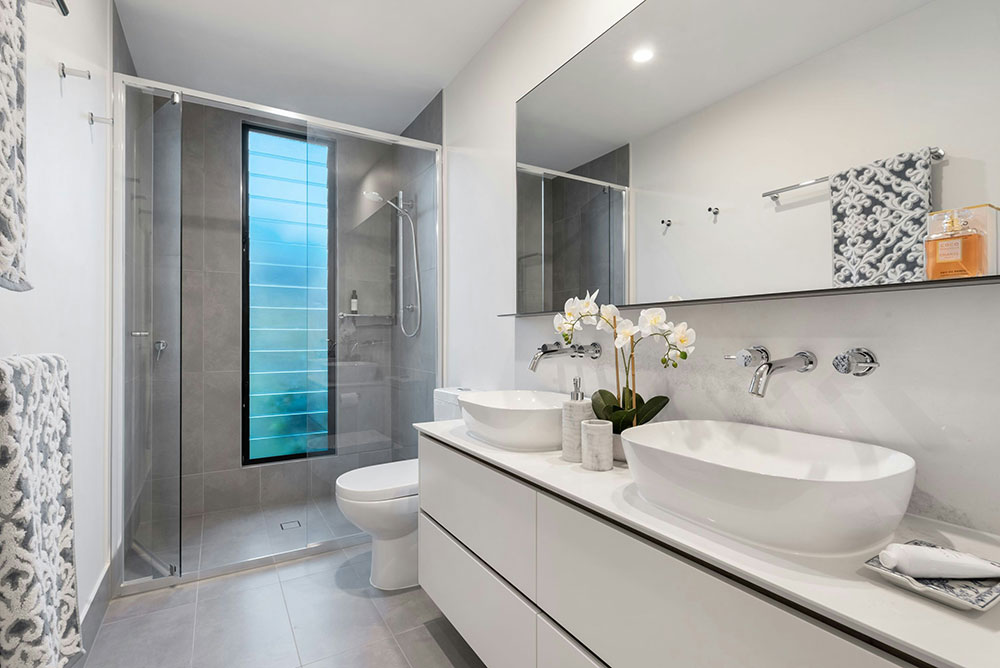
A midrange bathroom remodel costs $20,000 to $32,000 in 2026. A surface refresh runs $5,000 to $12,000, and an upscale primary bath rebuild clears $75,000 without trying very hard. All three of those numbers are national averages, which means all three are lying to you a little.
Location moves bathroom remodel cost more than any single material decision you’ll make. Our 2026 city cost index found identical remodeling work priced 48% above the national baseline in Honolulu and 26% below it in Wichita Falls, Texas. Same scope, same fixtures, double the price. The full rankings are in the most expensive cities to remodel in 2026, and bathrooms track that index closely because so much of the budget is local labor.
This article covers what you’ll actually pay this year, by scope and by market. If you want the deeper mechanics (scope tiers in detail, hidden costs, how to read a contractor bid line by line), the bathroom remodel cost guide handles that. Here we’re focused on the numbers.
How Much Does a Bathroom Remodel Cost in 2026?
Three tiers cover almost every project. The boundaries between them aren’t really about square footage. They’re about two questions: are you moving any plumbing, and what’s happening with the shower.
Surface refresh: $5,000-$12,000
Everything stays where it is. New vanity, new toilet, new lighting and mirror, new flooring, fresh paint, and the tub gets reglazed instead of replaced. No tile demolition, no plumbing relocation, no permit in most municipalities.
This is the right scope when the bathroom works fine but looks like the year it was built. It’s also the tier where DIY labor genuinely moves the needle, since painting and vanity swaps are within reach for most homeowners.
Midrange full remodel: $20,000-$32,000
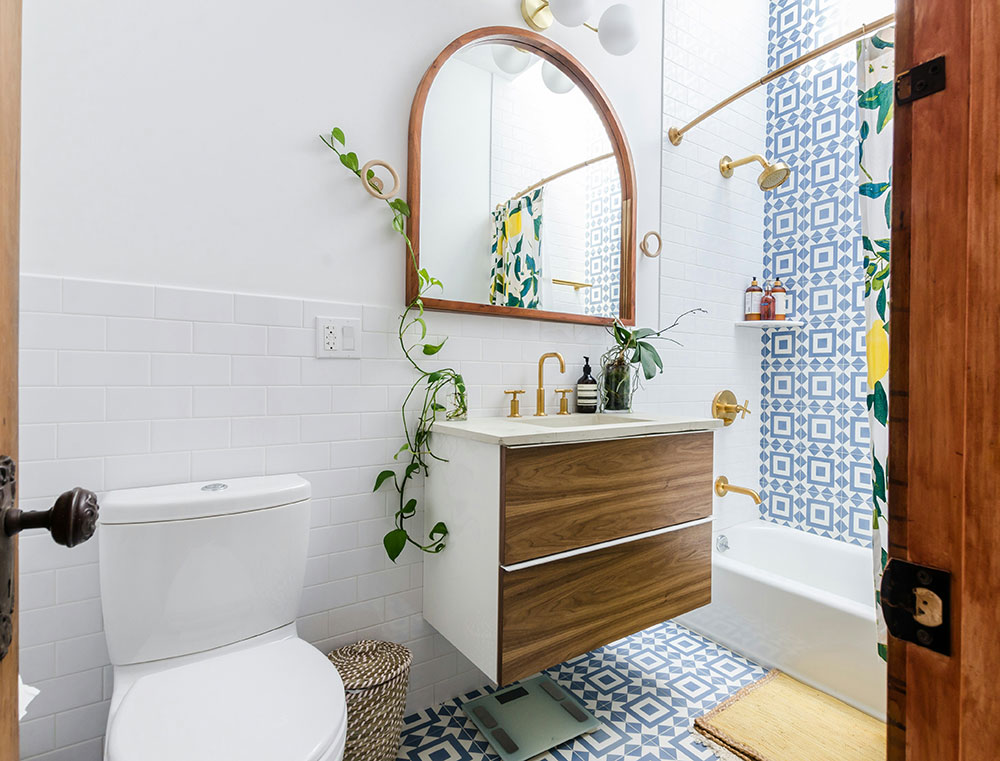
This is what most people mean when they say “bathroom remodel.” Everything comes out. New tile floor, new tub or shower with a tiled surround, new vanity with a stone top, new fixtures, updated lighting, and an exhaust fan brought up to code. The layout stays the same.
Here’s how that midrange scope prices across market types:
| Market type | Surface refresh | Midrange remodel | Upscale remodel |
|---|---|---|---|
| Lower-cost (Tulsa, Peoria, Kansas City) | $4,000-$9,000 | $16,000-$25,000 | $45,000-$65,000 |
| Mid-cost (Columbus, Denver, Charlotte) | $5,000-$12,000 | $20,000-$32,000 | $55,000-$80,000 |
| Higher-cost (Seattle, Chicago, Boston) | $7,000-$16,000 | $26,000-$42,000 | $70,000-$100,000+ |
The equipment in those bathrooms is nearly identical. The toilets and tile come off the same trucks. What changes between rows is who installs them and what those trades cost locally.
Upscale primary bathroom: $55,000-$80,000+
The upscale tier is where primary bathroom remodel cost gets untethered from the rest of the list. Layout changes, a curbless walk-in shower with frameless glass, a freestanding tub, a double vanity, heated floors, and sometimes square footage stolen from a bedroom closet.
It’s a great bathroom. It’s a poor investment. Recoup at this tier drops well under 50%, because buyers price the house against the neighborhood, not against your tile order. Spend here for your own daily use, on a long time horizon, in a house you’re not planning to leave.
Why Small Bathrooms Don’t Get Small Prices
A full remodel of a 5x8 hall bath, all 40 square feet of it, runs $15,000 to $25,000 in most markets. People hear that and assume the contractor is padding the quote. Usually they’re not. Small does not mean cheap, because a 40 sq ft bathroom needs the same five trades as a 120 sq ft one, and labor is most of the bill.
That’s why bathroom remodel cost per square foot is the highest in the house, and why small bathrooms sit at the top of that range. The full breakdown, including the per-square-foot math, a 5x8 line-by-line, and how to do one on a budget, is in small bathroom remodel cost.
Where the Money Goes: Labor, the Wet Wall, and the Shower
Here’s how a $26,000 midrange remodel in a mid-cost market typically breaks down:
| Line item | Typical range |
|---|---|
| Demolition and disposal | $1,000-$2,500 |
| Plumbing labor and rough-in | $2,000-$5,000 |
| Electrical (lighting, fan, GFCI circuits) | $1,200-$2,500 |
| Tile and waterproofing (floor and surround) | $4,000-$8,000 |
| Tub or shower | $1,500-$8,000 |
| Vanity, top, and faucet | $1,500-$4,000 |
| Toilet | $300-$800 |
| Paint, trim, and finish work | $800-$2,000 |
| Permits and inspections | $150-$600 |
Add those lines up and labor takes 40 to 65% of the total, the highest share of any room in the house. Per square foot, a bathroom is the most trade-dense space you own: five trades rotating through 40 square feet, with waterproofing and rough-in inspections gating the schedule between them.
That’s why location dominates the total. Metro-level wage data from the Bureau of Labor Statistics shows plumbers in the highest-cost metros earning roughly double the hourly rate of those in the cheapest ones, and tile setters follow the same curve. Fixtures are priced nationally. The people who install them are priced locally. Bathrooms behave exactly like kitchens on this point, and how much a kitchen remodel costs comes down to the same metro labor math.
Within any one market, three decisions swing the total more than everything else combined.
The wet wall. Keep the toilet, sink, and tub where they are and your plumber is swapping fixtures onto existing supply and drain lines. Move any of them and you’re opening floors and walls, rerouting drains, and re-venting. Figure $1,000 to $2,500 per relocated fixture, and more on a slab foundation where the drain lines live in concrete.
The shower. A prefab acrylic surround installs for $1,500 to $4,000. A custom tiled shower with a frameless glass door runs $8,000 to $15,000 and up, and most of that gap is labor: waterproofing, pan construction, and tile setting are slow, skilled work. This single choice can move the project a full tier.
The tile. Ceramic field tile runs $2 to $5 per square foot. Handmade zellige or marble mosaic runs $25 to $50. And labor moves with the material, since small-format and pattern work takes a setter two or three times as long to lay. An $800 material upgrade can quietly become a $3,000 line item.
Then there’s what the demo finds. Bathrooms get wet, and water finds subfloors. Rot around the tub or toilet flange shows up in a meaningful share of projects and runs $500 to $3,000 to fix, discovered only after the old floor is out. Hold a 15% contingency. Bathrooms earn it more than any other room.
One more thing competitors love to skip: permits. A like-for-like fixture swap usually doesn’t need one. Moving plumbing, adding electrical circuits, or touching anything structural does, and the permit itself runs $150 to $600 in most municipalities. The bigger cost is time, since rough-in inspections have to pass before walls close. A contractor who suggests skipping permits on relocated plumbing isn’t saving you money. They’re transferring risk to you at resale.
Is a Bathroom Remodel Worth It?
A midrange bathroom remodel recoups about 67% of its cost at resale, according to the Cost vs. Value report. That’s a middling score on paper. It ranks fourth in our breakdown of the 5 home improvements with the best ROI, behind garage doors, minor kitchen work, and windows.
But the average hides where bathroom remodels overperform. Returns concentrate in three situations: homes with a single full bathroom, where the bath carries the whole showing. Houses where the bathroom is visibly dated and drags the buyer’s impression of everything else. And competitive markets, where turnkey condition is the difference between list price and top-of-range offers.
There’s also a number the ROI percentage misses entirely: days on market. A dated bathroom rarely kills a sale, but it slows one, and it invites repair-credit negotiations that routinely exceed what the fix would’ve cost. Some of the return on a bathroom remodel shows up as a faster, cleaner closing rather than a bigger one.
The flip side is over-improving. A $60,000 bathroom in a $300,000 house doesn’t appraise its way back. Match the scope to the neighborhood, the same way you’d sanity-check any project against nearby comps.
Before You Sign Anything
Get three bids. Bathroom work is a competitive contractor category and a 20% spread between quotes on identical scope is normal. On a $28,000 project, that’s real money for an afternoon of phone calls.
Ask each contractor what’s excluded. Permits, disposal, the vanity itself, shower glass, and rot repair are routinely left out of the base number. You want the all-in figure, in writing, with allowances spelled out per line.
Pick every fixture and finish before you sign. Vanities, tile, and custom glass carry lead times of two to eight weeks, and mid-project changes become change orders, which always cost more than deciding upfront. The smoothest bathroom projects have everything sitting in the garage before demo starts.
Check licensing and insurance, since plumbing and electrical work in most states requires both. And keep that 15% contingency untouched until the subfloor is open and inspected. If nobody finds rot, it becomes your shower glass upgrade.