Window Replacement Cost in 2026: What Really Drives It

- Jun 27, 2026
- 10 min read
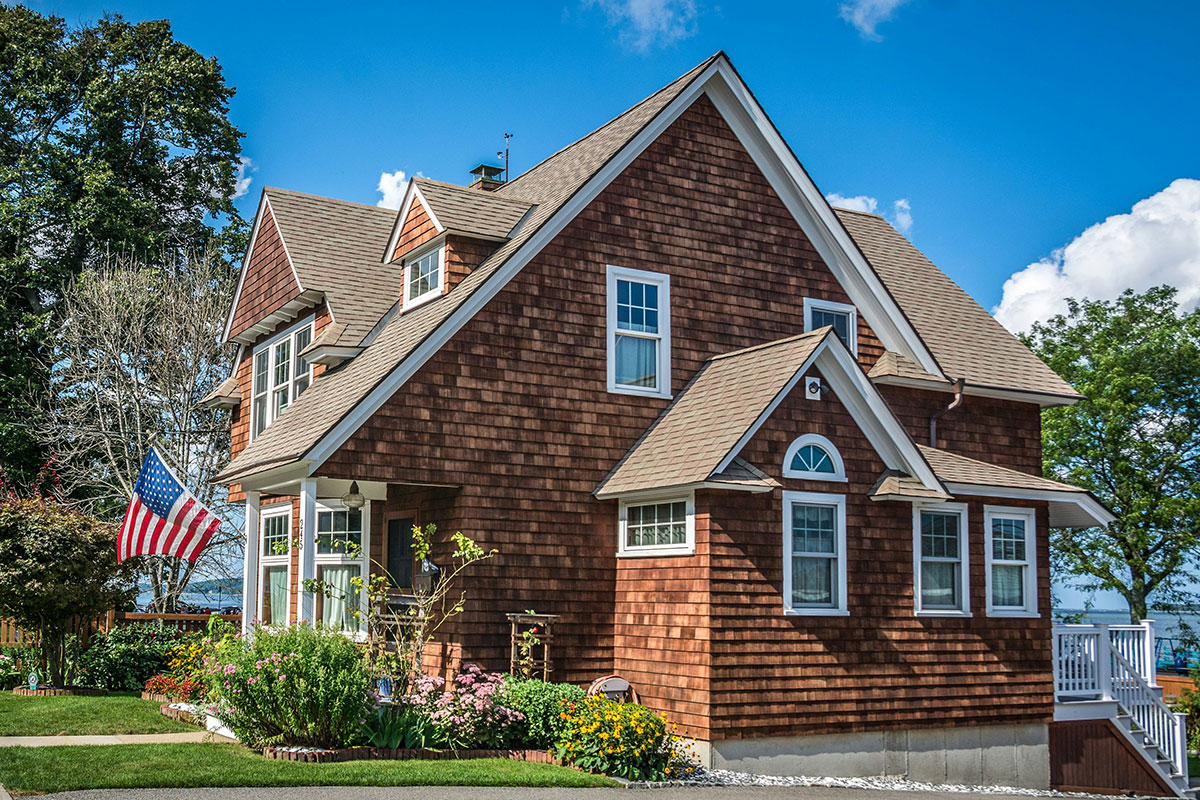
Window replacement cost runs $300 to $2,500 per window in 2026, with most homeowners landing between $450 and $1,300 once you count both the window and the labor to set it. Replace every window in an average house and you’re looking at $6,000 to $21,000, with a typical 10 to 15 window job around $8,000 to $12,000.
That’s the honest range. The reason it’s so wide is that “a window” isn’t one thing. A builder-grade vinyl single-hung and a custom wood casement are both windows the way a scooter and a pickup are both vehicles. Frame material, the type of glass, the size of the opening, and how the window gets installed all pull the number in different directions, and your local labor market pulls it again.
Two things changed this year that most cost guides haven’t caught up to. The federal tax credit that knocked up to $600 off an energy-efficient window job expired at the end of 2025, so a 2026 install gets nothing back from it. And tariffs on aluminum, glass, and imported frames pushed material prices up over last year. How tariffs are raising renovation costs in 2026 breaks down which materials took the biggest hit. For the full mechanics, including how to read two bids that look identical on paper, the window replacement cost guide goes deeper than I will here. This one is about the 2026 numbers and what actually moves them.
What Window Replacement Costs Per Window in 2026
Most window pricing gets quoted per window, installed, and material is the biggest lever. Here’s where the common frame types land in 2026 for a standard double-hung in an average-size opening, glass and labor included.
| Frame material | Cost per window installed | Best for |
|---|---|---|
| Vinyl | $400-$1,000 | Most homes, lowest maintenance |
| Composite | $500-$1,200 | Vinyl’s looks with more strength |
| Aluminum | $450-$1,400 | Modern frames, warm climates |
| Fiberglass | $600-$1,600 | Durability, paintable, stable |
| Wood | $800-$2,500+ | Historic homes, custom looks |
Vinyl window replacement cost sits at the bottom of that range for a reason. It’s the default for most of the country, it doesn’t need painting, and it insulates well for the money. Roughly seven in ten replacement windows sold are vinyl, and unless you’ve got a historic home or a specific look in mind, it’s usually the right call.
Wood sits at the top. It looks the part on an older home and takes paint, but it costs more up front and asks for upkeep most people don’t keep up with. Fiberglass splits the difference. Nearly as stable as vinyl, strong enough for big openings, and paintable like wood, which is why it’s quietly become the pick for people who want wood’s look without wood’s maintenance.
One thing worth knowing about that per-window number. Material is roughly 85% of it and labor the other 15%, which is the reverse of a bathroom or kitchen where labor dominates. So the window you choose matters more to the bottom line than almost any other single decision you’ll make on the project.
Cost to Replace Windows in a Whole House
Per-window pricing is useful for comparing bids. It’s useless for budgeting, because nobody replaces one window. The cost to replace windows across a full home scales with how many you have and how big they are.
| Windows | Typical total (vinyl, installed) |
|---|---|
| 5 windows | $2,500-$6,500 |
| 10 windows | $5,000-$12,000 |
| 15 windows | $7,500-$18,000 |
| 25 windows | $12,000-$30,000 |
Buy in bulk and the per-window price usually drops. A crew that’s already mobilized, staged, and pulling trim is cheaper per opening than one setting a single window, so doing the whole house at once costs less per window than picking them off a few at a time. If your budget can’t cover all of them, do it by elevation or by the rooms that need it most, not one window here and there.
Insert vs full-frame replacement
Here’s the cost driver almost no guide explains well, and it’ll swing your quote by thousands. There are two ways to replace a window, and they’re not the same job.
An insert replacement (also called a pocket or retrofit) drops a new window into the existing frame. The old frame and trim stay put. It’s faster, cheaper, and less disruptive, and it’s the right move when your frames are square and sound. Most quotes assume this.
A full-frame replacement tears out everything down to the rough opening, frame and all, then rebuilds. You need it when the existing frames are rotted, when you’re changing the window’s size or style, or when there’s water damage hiding behind the trim. It costs 25% to 50% more per window because it’s more labor, more material, and usually new interior and exterior trim on top.
The trap is getting an insert quote when you actually need full-frame work. A bid that comes in well under the others is sometimes just assuming your frames are fine. If your home is older, or you’ve seen any soft wood or fogged glass, ask each contractor which method they’re quoting before you compare prices. Same as you’d want to find a missing line item before demo day, not after.
Window Style Changes the Price More Than You’d Think
Two windows of the same vinyl, same glass, same size can cost very different amounts depending on how they open. The mechanism is the price.
| Window style | Relative cost | Notes |
|---|---|---|
| Single-hung | $ | Only the bottom sash moves, cheapest |
| Double-hung | $$ | Both sashes move, the common default |
| Casement | $$ | Cranks open, seals tight, good for breezes |
| Sliding | $$ | Glides sideways, simple and affordable |
| Awning | $$ | Hinged at the top, opens in rain |
| Picture | $ to $$ | Fixed, no moving parts, cheap glass but big |
| Bay or bow | $$$$ | Several units plus framing, the priciest |
A bay or bow window is really three to five windows joined and bumped out from the wall, so it carries the cost of all of them plus extra framing and sometimes a small roof cap above it. Expect $1,500 to $5,000 or more installed for one. Picture windows are cheap per square foot because there’s no hardware, but they get large, so a big one still adds up.
For most rooms the real choice is single-hung vs double-hung, and the gap is small. Double-hung tilts in for cleaning and vents from the top, which is worth the modest premium on a second-story window you’d otherwise need a ladder to reach.
The 2026 Tax Credit Is Gone, and It Changes the Math
This is where most window cost articles are flat wrong right now. For years, putting in ENERGY STAR windows got you a federal tax credit worth 30% of the cost, up to $600 a year, under Section 25C. A lot of homeowners timed their projects around it.
It’s gone. The One Big Beautiful Bill Act, signed in July 2025, repealed the Energy Efficient Home Improvement Credit for anything installed after December 31, 2025. Windows put in during 2026 get nothing from it. The IRS page on the credit spells out the cutoff. If you finished a qualifying job in 2025, you can still claim it on the return you file this year. Start in 2026 and there’s no federal credit waiting.
Most of the articles ranking for this still show the $600 as available. Don’t budget around money that isn’t there.
What’s still real is the energy savings, and that part doesn’t expire. According to the Department of Energy, swapping single-pane windows for ENERGY STAR models cuts a typical home’s energy bills by an average of around 13%, which works out to somewhere between $100 and $580 a year depending on your climate. If you’re replacing windows that are already double-pane, the savings are smaller, more like $30 to $200. So the efficiency case is strong if you’ve still got single-pane or aluminum-frame windows from the 70s, and weaker if you’re upgrading windows that already do an okay job.
Before you write off incentives entirely, check your state and your utility. Plenty of utilities still run rebate programs for efficient windows, and some states kept their own credits going after the federal one ended. That’s where the money is in 2026, not on your federal return.
Your ZIP Code Moves the Number More Than the Glass
A vinyl double-hung costs about the same off the truck in Tulsa as it does in Seattle. The crew that installs it does not. That’s why the same whole-house window job can run $9,000 in one metro and $14,000 three states over with identical windows.
Our 2026 city cost index found the same remodeling work priced 48% above the national baseline in Honolulu and 26% below it in Wichita Falls, Texas. Window jobs track that curve because so much of the install premium is labor and local overhead. The materials are priced nationally. The people setting them are priced by your zip code. You can see where your metro lands in the most expensive cities to remodel in 2026.
This is the number that actually matters, and it’s the one national averages can’t give you. A $700-per-window average is fine for a magazine. It’s useless for your budget if you happen to live somewhere the trades cost half again as much.
Do New Windows Increase Home Value?
Yes, more reliably than most projects, though not the way people assume. You don’t get your money back dollar for dollar. What you get is one of the better recovery rates in remodeling, plus a faster sale.
The Cost vs. Value report puts vinyl window replacement at about 68% of cost recouped at resale, and wood windows around 61%. That beats most kitchen and bath work on a percentage basis, which is why windows show up near the top of the home improvements with the best ROI. New windows photograph well, they signal a maintained home, and they take an inspection talking point off the table before a buyer can use it.
The bigger return is the one that never shows up in the recoup percentage. Old, drafty, fogged-up windows are an immediate strike against a house at a showing. Buyers clock them in the first thirty seconds and quietly mark the place down. New ones remove that objection. Homes with updated windows tend to sell faster, and a faster sale with fewer concessions is worth more than the recoup number alone suggests.
Where it doesn’t pay is over-improving. Triple-pane custom wood windows in a modest house won’t appraise their way back. Match the windows to the home, the same way you’d sanity-check any project against the comps down the street.
How to Get a Window Quote That Holds Up
Window quotes are hard to compare because two bids for “new windows, installed” can mean completely different products and completely different work. A few questions fix that.
Ask for the brand, the product line, and the NFRC numbers. Every legitimate window carries an NFRC label with a U-factor (how well it insulates, lower is better) and a solar heat gain coefficient (how much sun heat it lets through, which you want low in the South and a bit higher up North). A quote that won’t name the actual product is hiding something. You can’t compare a $600 window to an $1,100 window if you don’t know what either one is.
Pin down insert vs full-frame, in writing. This is the single biggest reason two quotes don’t match. Make sure all three contractors are bidding the same method on the same openings, or you’re comparing a retrofit to a tear-out and calling it a price difference.
Get three bids. Windows are a competitive category with a lot of high-pressure sales attached, and a 20% to 30% spread on the same scope is normal. The same job. That’s real money on a whole-house project, and it’s worth the extra afternoon.
Watch out if your home was built before 1978. Old paint around windows can contain lead, and disturbing it triggers EPA renovation rules that a certified contractor has to follow. It’s not a reason to skip the project. It’s a reason to hire someone licensed for the work, and to be suspicious of a bid that’s mysteriously cheap because it ignores the requirement.
And get the permit. Most places require one for window replacement, especially full-frame work or any change to the size of the opening, partly because bedroom egress windows have to meet code. A contractor who wants to skip it to save you a few days is telling you something about how they operate. Building permit activity in your area also gives you a read on current inspection lead times, which matters if you’re scheduling around a season or a sale.
Whatever you land on, the number that matters is the one for where you actually live, not a national average pulled from a million projects that aren’t yours. Pull yours before the first salesperson knocks.
Frequently asked questions
How much does window replacement cost in 2026?
What is the cheapest type of replacement window?
Is there a tax credit for replacement windows in 2026?
Do new windows pay for themselves?
Related articles
Cost to Build a Deck in 2026: Prices by Size and Material
Jul 4, 2026
Garage Door Replacement Cost in 2026: Size, Material, ROI
Jul 11, 2026

HVAC Replacement Cost in 2026: What the New Rules Change
May 24, 2026

Roof Replacement Cost: What Your ZIP Code, Material, and Roof Pitch Actually Change
Feb 18, 2026