Whole House Remodel Cost: Your Home's Age Sets the Bill

- Nov 11, 2026
- 8 min read
Search whole house remodel cost and you get a range wide enough to drive a truck through. One national guide puts it at $30,000 for a cosmetic refresh and $400,000 or more for a full gut. Another stops at “$71,000+” and leaves it there. Both are true for somebody. Neither tells you what your house is about to need.
So we priced it from the other end. We took the seven big things that wear out on every house (roof, windows, siding, HVAC, entry door, kitchen and bathroom) and replaced all of them at midrange quality. At national pricing that comes to $110,791. Across the 26,283 ZIP codes we track, the same list runs from $77,554 in the cheapest markets to $166,187 in the most expensive.
The total matters less than the timing. How old your house is decides which items on that list are due, and the housing data says 42.2 million people live in ZIP codes where the typical home is reaching the whole list at once.
If you’re weighing a single project against what your house is worth, that has its own answer in our renovation budget breakdown by home value. This piece is about the whole list.
What a Whole House Remodel Costs, Item by Item
| Project | Cheapest markets | National | Most expensive markets | Rated lifespan |
|---|---|---|---|---|
| Roof replacement | $8,050 | $11,500 | $17,250 | 25 years |
| Window replacement | $12,348 | $17,640 | $26,460 | 20 years |
| Siding replacement | $12,387 | $17,696 | $26,544 | 20 years |
| HVAC replacement | $7,000 | $10,000 | $15,000 | 15 years |
| Entry door replacement | $1,649 | $2,355 | $3,533 | 30 years |
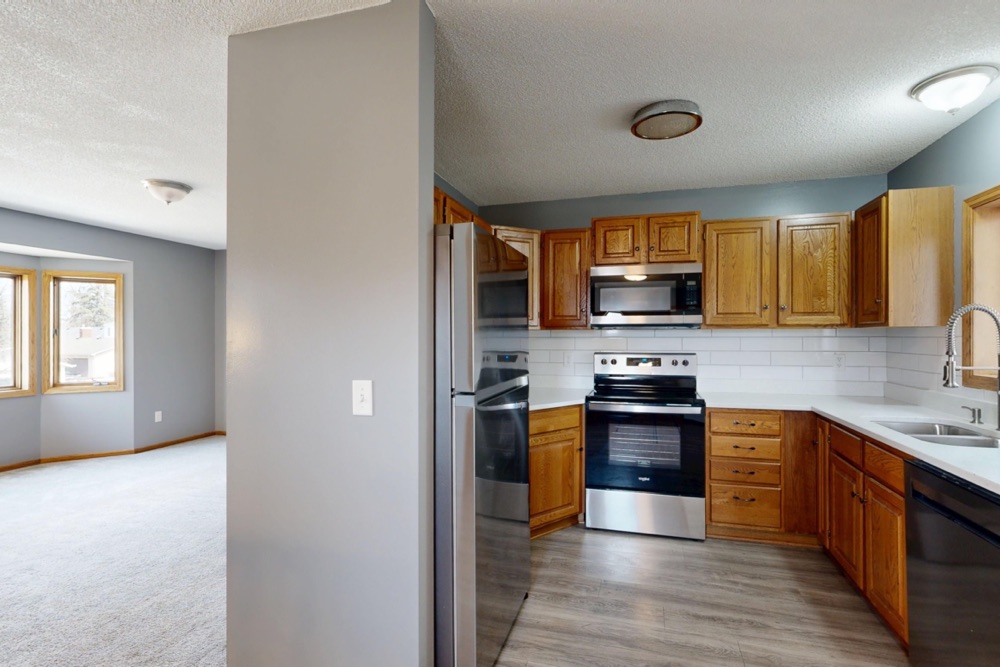
| Kitchen remodel | $18,900 | $27,000 | $40,500 | 20 years |
| Bathroom remodel | $17,220 | $24,600 | $36,900 | 20 years |
| All seven | $77,554 | $110,791 | $166,187 |
The shell of the house (roof, windows, siding, HVAC and door) accounts for $59,191 of that. The two rooms everyone pictures when they hear “remodel,” the kitchen and bath, come to $51,600. People budget for the second number and get ambushed by the first.
On a 2,000 square foot house, $110,791 works out to about $55 a square foot. That lands near the top of what the same national guide calls a cosmetic refresh ($15 to $60 a foot), and it doesn’t buy a single new floor or a foot of new wiring. Swapping out what’s worn out is expensive work even when nothing about the house looks different afterward.
About half of the bill is labor. In our model, $56,096 of the $110,791 goes to labor. The share runs from 35% on a roof to 65% on an HVAC replacement. That’s why the gap between the cheapest and most expensive markets is so wide, and the labor vs. materials split by project shows how much of it your address controls.
Your House’s Age Decides When the Bill Comes Due
Look at the lifespan column again. Five of the seven items are rated for 20 to 25 years. HVAC comes due sooner and the door later, but the middle of the list is tightly bunched.
A house doesn’t wear out evenly. It wears out in a cluster, and the cluster lands somewhere around its 20th to 25th birthday.
That puts homes built between 1996 and 2006 squarely in the window. They’re 20 to 30 years old now. If the original roof, windows, siding, kitchen and bathroom are still there, all five have reached their rated lives, and the furnace or heat pump is likely on its second round or overdue for one.
We sorted every ZIP code by the median year its homes were built, using Census housing data. The 1996 to 2006 group covers 1,961 ZIP codes and 42.2 million people. That’s where a whole house remodel turns into a schedule.
The 1980 to 1995 group is far larger, at 8,964 ZIPs and 110.1 million people. By the lifespans above, those homes have already been through the list once. Most owners there did it in pieces, a roof one year and a furnace three years later, without ever calling it a whole house remodel.
Spread over their lifespans, the seven items cost $5,552 a year at national pricing, or $463 a month. That’s what it costs to keep an average house’s shell and its two wet rooms current. We think it’s the most useful number in this article. An owner who sets it aside every month will rarely meet a whole house remodel as one bill. An owner who doesn’t usually meets it all at once, often when a buyer’s inspector reads the list back to them.
Older Houses Cost a Bigger Share of What They’re Worth
Older housing stock is worth less, so the same seven-item bill eats a bigger share of it.
| Median year built in the ZIP | ZIP codes | People | Median home value | Seven items as share of value | ZIPs where the list costs more than the house |
|---|---|---|---|---|---|
| Before 1940 | 940 | 10.7 million | $209,911 | 48.3% | 42 |
| 1940 to 1959 | 3,480 | 41.6 million | $210,544 | 48.1% | 122 |
| 1960 to 1979 | 10,700 | 116.3 million | $256,225 | 43.2% | 140 |
| 1980 to 1995 | 8,964 | 110.1 million | $311,796 | 39.8% | 42 |
| 1996 to 2006 | 1,961 | 42.2 million | $395,611 | 35.6% | 0 |
| 2007 or later | 208 | 5.9 million | $483,592 | 32.1% | 1 |
Across all ZIP codes, the full list comes to 42% of local median home value in the median ZIP. It crosses half of home value in 7,419 ZIPs, home to 54.1 million people. In 348 ZIP codes it costs more than the house is worth.
Those 348 look alike. Every one has a median home value under $77,500. Kentucky has 47 of them, West Virginia 38, Pennsylvania 33 and Illinois 29. And 304 of the 348 are ZIPs where the typical home went up before 1980.
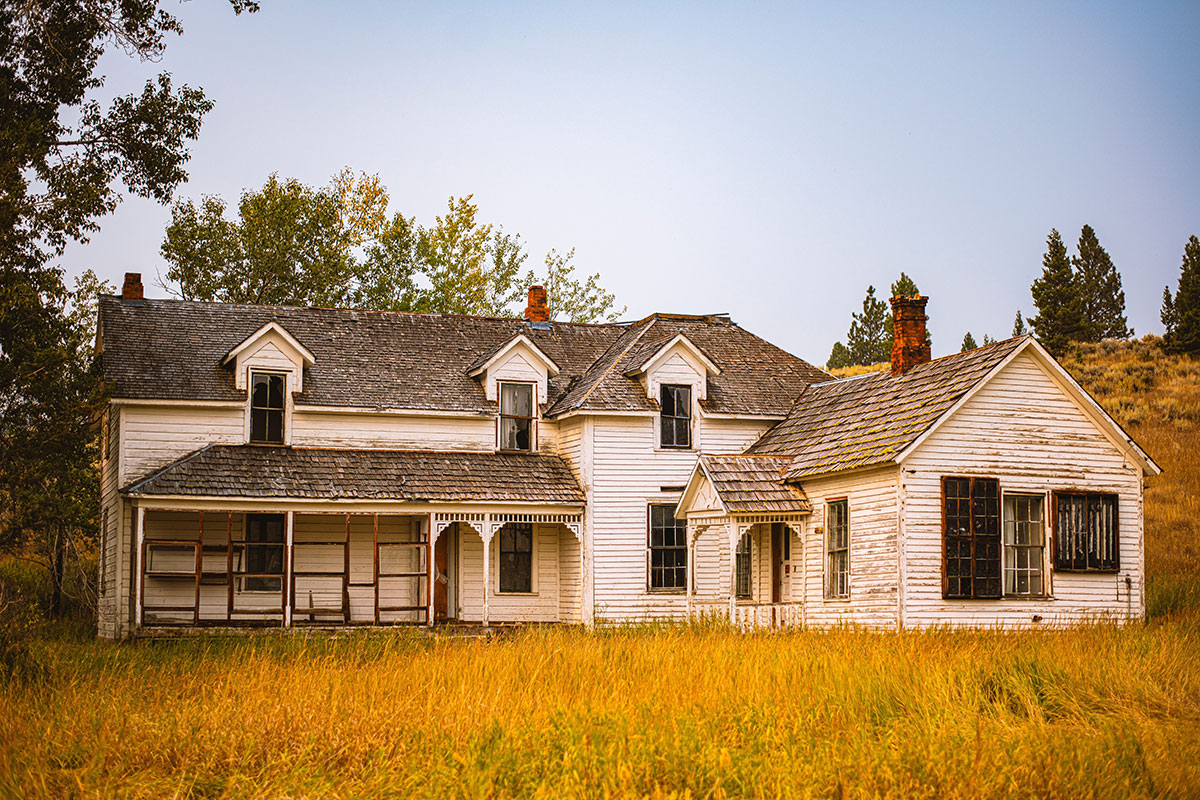
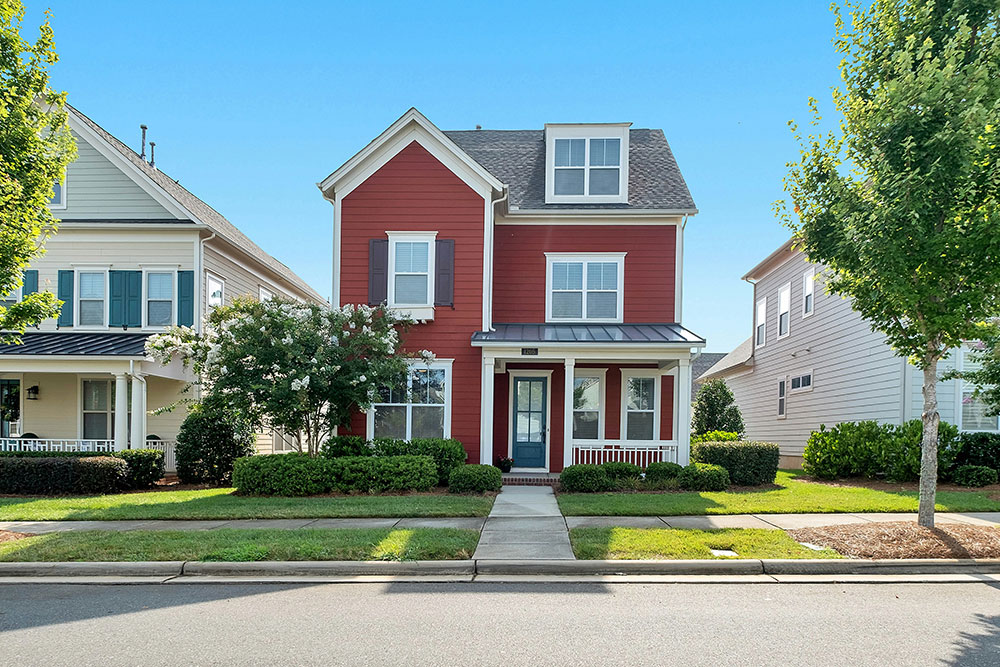
City medians show the same split. In Detroit, where the median home was built in 1946, the seven items cost $77,554 at local pricing against a median home value of $85,650. That’s 90.5% of the house. Charlotte’s housing is much younger, with a median build year of 1992, and the list there costs $162,863, or 39.0% of a typical home. San Jose pays the most for the same work, $166,187, and it comes to 11.8% of what a home there is worth.
Old houses also carry a second bill that isn’t in any of these figures: lead-safe work rules and wiring that’s been in the walls for decades. We priced that separately in why remodeling costs more in older homes. For the top rows of that table, read the share as a floor.
All at Once or in Phases: The Order That Protects the Money
Most people end up phasing a whole house remodel whether they planned to or not. The order you pick decides whether the early phases survive the later ones.
Start with whatever keeps water out. The roof goes first if it’s anywhere near 25 years, because a leak during a kitchen remodel ruins the kitchen. Siding and windows come next, together if you can manage it. The flashing where they meet is where water gets in, and having one crew own that joint beats two crews blaming each other for it.
HVAC goes before interior work. A new system sometimes needs new duct runs or a relocated return, which is cheap to change with ceilings open and painful once a finished kitchen sits underneath. Kitchen and bathroom go last, and they pair well because they share a plumber and often share a wall.
Doing everything in one push has real advantages. You hire one contractor, and you live through the dust once instead of four times. It also means paying to replace a roof that had five good years left.
We’d go further. The lifespan column is a better project plan than any package deal a contractor will offer you. Replace each item when it’s due, in the order above, and a $110,791 whole house remodel turns into a string of ordinary projects you can price and shop one at a time.
Timing inside each phase matters too. Exterior work is hardest to book in winter, which is also when interior work tends to be cheapest. Our guide to the best time of year to remodel breaks that down by project.
What Our Numbers Leave Out
The list is narrower than the phrase “whole house remodel” suggests, and that’s worth spelling out.
Seven items don’t cover flooring, paint, interior doors, trim, insulation, structural repairs, or electrical and plumbing outside the kitchen and bath. A full gut adds all of those plus design fees and permits, which is how national guides get to $400,000. If you’re opening walls, treat our figure as the floor of your budget.
Each price is for that project done on its own. Bundle them under one general contractor and two things happen that we don’t model. Some setup costs get shared, and a layer of coordination and markup gets added on top. We can’t tell you which effect wins on your job, and neither can anyone quoting a national per-square-foot range.
The lifespans are averages. A roof in Phoenix and a roof in Buffalo don’t age at the same rate, and a kitchen that’s been treated well can go 30 years without embarrassing anyone.
Our local cost multipliers are capped at 0.70 and 1.50 times the national price, which squeezes both ends of the first table. That’s why Detroit’s $77,554 is the model’s floor rather than a local quote. The detail is in our ZIP-level cost methodology.
And the age data describes the median home in each ZIP code, rentals included. Your house might be the 1958 ranch on a street of 2002 builds, and the schedule that matters is the one on your own roof.
Housing age comes from the Census Bureau’s American Community Survey five-year estimates at the ZIP code level. Home values come from the Zillow Home Value Index. Project costs start from the Cost vs. Value data described in our methodology, and lifespans are the averages our estimator uses.