Should You Remodel Before Selling? A Data-Driven Answer
Updated May 2026
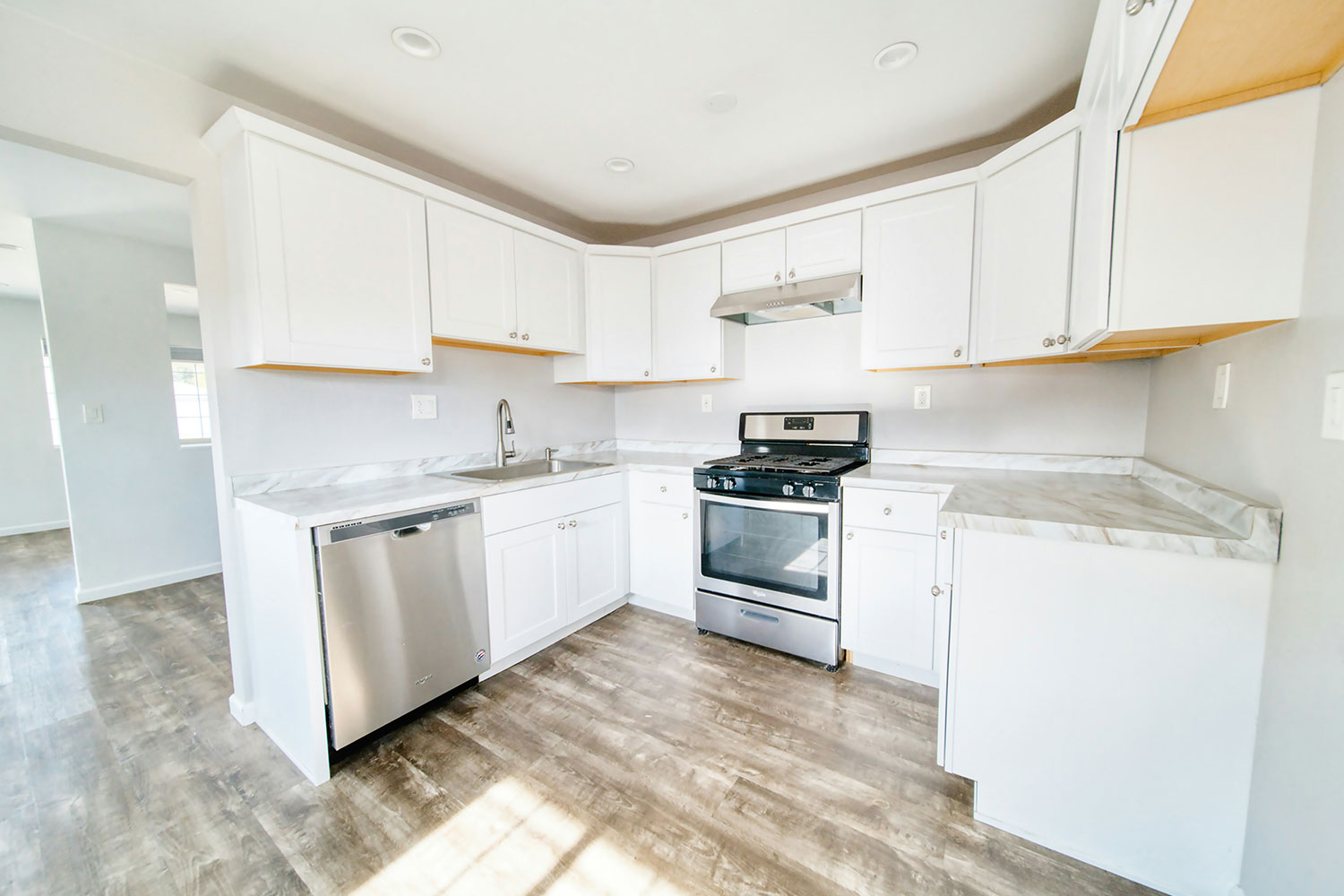
“Should I remodel before I sell?” is one of the most common questions in real estate, and most of the advice you’ll find online ignores the variables that actually determine whether pre-sale renovation makes financial sense.
The honest answer: it depends on your market, your project, your timeline, and your home’s current condition. Here’s a framework for thinking it through with real data.
What’s the Real Trade-off?
Every pre-sale remodeling decision is a comparison between two options. You either spend on renovation and list at a higher price, or you list as-is and accept a lower price or offer a buyer credit.
The financially rational choice depends on whether the renovation produces more value than it costs, including your time and the carrying costs of owning the home longer while work is completed.
This is where ROI data from the Cost vs. Value report becomes genuinely useful. It gives you a data-backed estimate of how much value a project adds in your market relative to what it costs.
Which Projects Almost Always Make Sense Pre-Sale?
Roof replacement (if the roof is aging)
A roof over 15 years old is almost certain to come up in the inspection. Buyers regularly request $15,000-$25,000 in concessions for aging roofs, often more than the actual replacement cost.
Replacing before listing typically eliminates a concession that would have been larger than the replacement cost. The math frequently works out in the seller’s favor, even though the official ROI percentage is “only” 61%.
Garage door replacement
At roughly $4,000-$5,500 installed and around 194% average ROI, this is one of the cleanest pre-sale investments there is. The cost is low enough that it’s rarely worth negotiating as a concession, but a visibly dated or damaged door measurably suppresses offers. Replace it before listing.
Minor kitchen refresh (not a full remodel)
A full kitchen remodel before selling is rarely the right call. The timeline is wrong (most full remodels take 6-10 weeks), and the ROI depends heavily on whether the specific design matches buyer preferences in your market.
A minor refresh is different. New hardware, paint on cabinet fronts, a new faucet, updated lighting. Total cost: $2,000-$5,000. Impact on buyer perception: significant. Timeline: days, not months.
Which Projects Rarely Pay Off Pre-Sale?
Bathroom remodel
Unless the bathroom is functionally broken or your market is highly competitive and turnkey presentation is essential, a full bathroom remodel before selling typically doesn’t recover its cost within the sale timeline. A better approach: deep clean, regrout, replace fixtures and hardware. Dramatically cheaper, meaningfully improves presentation.
HVAC replacement
HVAC is a major inspection item, but buyers generally don’t pay a premium for a new system. They use an aging system as a concession point instead. If your system is functional but old, a home warranty is often more cost-effective than replacement.
Windows (in most markets)
Window replacement has a long payback period through energy savings. Pre-sale, buyers notice new windows but rarely pay a full premium for them. In competitive suburban markets with energy-conscious buyers, the math sometimes works. In most markets, it doesn’t.
How Does Location Change the Calculus?
Markets aren’t uniform, and this is where a lot of generic pre-sale advice falls apart.
In competitive, high-demand markets like coastal cities, major metro suburbs, and tight inventory markets, buyers expect turnkey condition. Cosmetic updates and pre-inspection repairs pay off strongly here. Buyers will pay a real premium for move-in-ready.
In mid-tier markets, the calculation is more mixed. Buyers are more price-sensitive and more willing to take on projects themselves. Target repairs and neutralize major negatives rather than investing in upgrades.
In lower-cost markets with modest price ceilings, focus on repairs, cleanliness, and curb appeal rather than material upgrades. Over-improving relative to comparable sales is a real risk in any market where the price ceiling is tight.
A Practical Framework for the Decision
Before committing to any pre-sale renovation, run through four questions.
First: is it a repair or an upgrade? Repairs, fixing what’s broken and addressing what will fail inspection, almost always pay off. Upgrades, adding features buyers don’t expect at your price point, often don’t.
Second: what’s the concession risk without it? If buyers are likely to request a credit for the issue, the pre-sale renovation cost needs to be weighed against the expected concession, not the project’s standalone ROI.
Third: what’s your market’s buyer expectation? In competitive markets, move-in-ready condition commands a premium. In more price-sensitive markets, buyers expect to do their own improvements and won’t pay extra for yours.
Fourth: what’s your timeline? Any project taking more than 3-4 weeks introduces real risk: missed listing windows, increased carrying costs, and construction disruptions that complicate showings.
For most sellers, the highest-return pre-sale investments are addressing roof and inspection issues, replacing the garage door, and making inexpensive cosmetic improvements. Full kitchen or bathroom remodels before selling rarely pencil out unless the room is genuinely broken or the market demands turnkey condition.
Use RemodelFinder’s free calculator to see the ROI score for any project in your specific ZIP code. Then ask your real estate agent what buyers in your market are actually paying a premium for. The combination of data and local market knowledge is the right foundation for the decision.
Frequently asked questions
Should you remodel your house before selling?
What adds the most value to a home before selling?
How much should you spend on renovations before selling?
Get your free local estimate
Enter your ZIP code to see localized cost estimates and ROI scores for all projects.
Get My Local Estimate →